
Evidence-Based Treatment for Persistent Tendon, Muscle and Joint Pain
Ever had a stubborn, tight muscle or sore back that just doesn’t seem to be getting any better? Maybe your injury is just not making any headway after loads of therapy sessions. You’ve tried it all- physio, chiro, Thai massage, medication, steroid injections, but it just doesn’t seem to improve?
Evidence-Based Treatment for Persistent Tendon, Muscle and Joint Pain
Ever had a stubborn, tight muscle or sore back that just doesn’t seem to be getting any better? Maybe your injury is just not making any headway after loads of therapy sessions. You’ve tried it all- physio, chiro, Thai massage, medication, steroid injections, but it just doesn’t seem to improve?

You have tried it all - physio, chiro, Thai massage, medication, even steroid injections. And the pain is still there.
That is the story we hear most often. Not a lack of effort, and usually not a lack of good care either — simply tissue that has stopped healing and stayed stuck. A stubborn injury that has stalled is not a failure of effort.
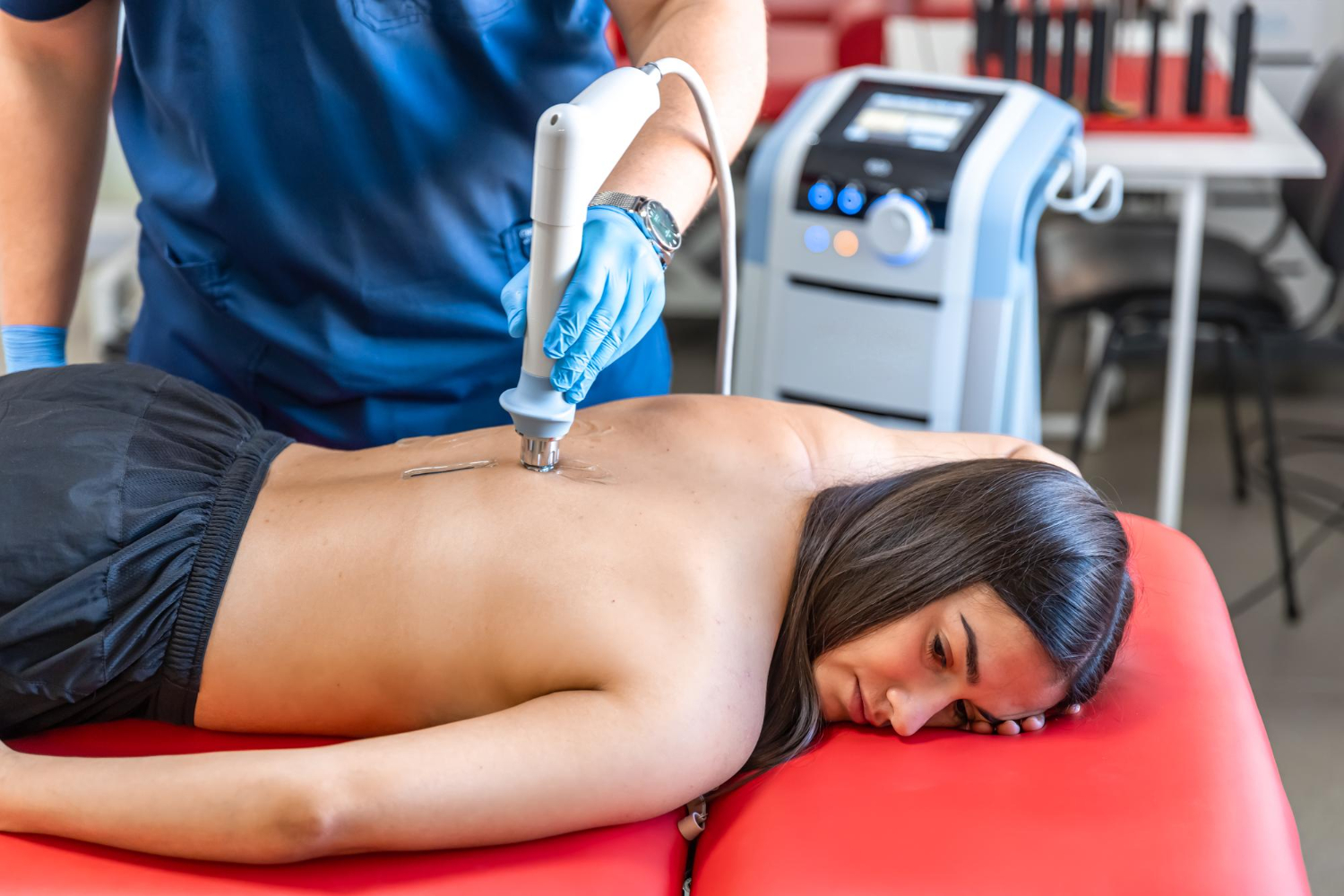
Shockwave therapy is a non-invasive treatment that uses high-energy acoustic waves to stimulate healing in chronically injured or painful tissue. It may help break down scar tissue, improve local blood flow and initiate tissue repair more effectively than massage or dry needling alone. Our goal is simple: recover faster, improve function, reduce pain and return to normal activity safely.
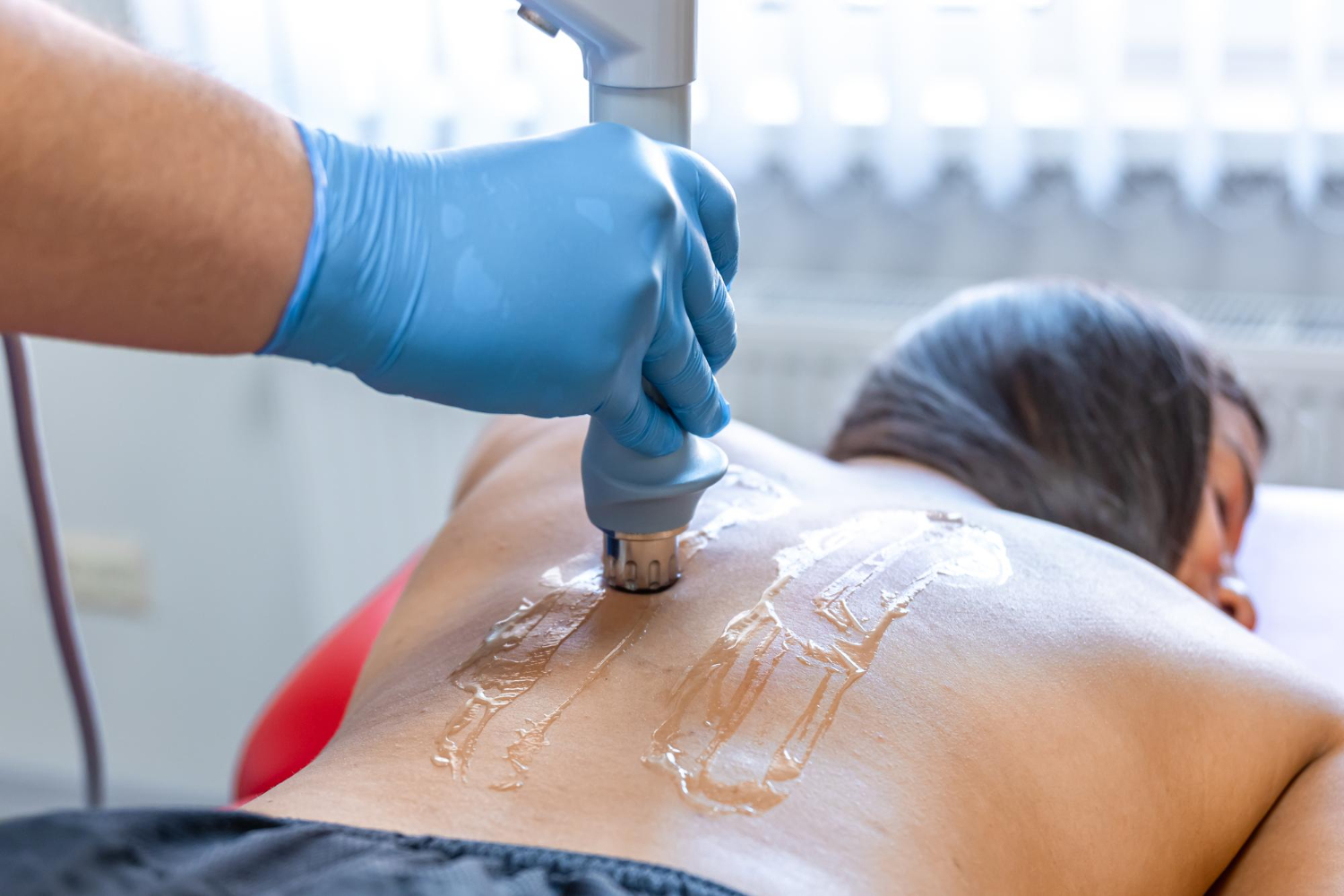
Shockwave therapy may be beneficial for a wide range of musculoskeletal conditions, including:
Shockwave therapy is particularly valuable in persistent or chronic conditions where tissue healing has stalled.

Shockwave therapy delivers acoustic waves into injured tissue to stimulate a biological healing response. Research suggests that shockwave therapy may help:
Treatment is non-surgical, drug-free and typically requires minimal downtime.
Most sessions take approximately 10–20 minutes, and many patients are able to continue with normal daily activities shortly afterwards.

Extracorporeal shockwave therapy has been extensively studied in sports medicine and rehabilitation research.
Systematic reviews and meta-analyses have demonstrated positive outcomes for several chronic tendinopathies, particularly regarding pain reduction and functional improvement. Evidence is strongest for conditions such as plantar fasciitis, calcific shoulder tendinopathy and certain lower-limb tendinopathies. (PubMed)
Clinical guidance from organisations such as NICE (National Institute for Health and Care Excellence, UK) has also evaluated the use of shockwave therapy for conditions including Achilles tendinopathy and calcific shoulder tendinopathy. (nice.org.uk)
As with all evidence-based treatments, outcomes depend on the condition being treated, the chronicity of the injury and the overall rehabilitation plan. Shockwave therapy is often most effective when integrated with appropriate exercise rehabilitation and load management strategies. (Reddit)

The EMS Swiss DolorClast® system is widely recognised internationally in sports medicine and rehabilitation settings for delivering radial shockwave therapy with precision and consistency. By combining advanced technology with detailed clinical assessment and rehabilitation principles, we aim to provide treatment that is:
Every treatment plan is individualised based on the patient’s diagnosis, functional goals and response to care.

We strongly believe that the best patient outcomes occur when healthcare professionals work together.
Our practice welcomes referrals from:
We aim to complement, not replace, the management strategies already in place for your patients.
Where appropriate, we provide:
Our philosophy is built around ethical, collaborative and patient-first care. We value long-term professional relationships and believe strongly in maintaining trust between healthcare providers.

A typical consultation includes:
Most conditions require a series of treatments, commonly between 3–6 sessions depending on the condition and severity.

Shockwave therapy may be an excellent option if:
If you are unsure whether shockwave therapy is appropriate for your condition, we would be happy to assess your case and discuss your options.
Extracorporeal Shockwave Therapy (ESWT) is commonly used in the management of chronic tendon injuries, muscular dysfunction, myofascial pain syndromes and certain overuse injuries.
At our Johannesburg practice, we utilise the EMS Swiss DolorClast® Smart 20 system as part of a comprehensive and evidence-informed treatment approach.
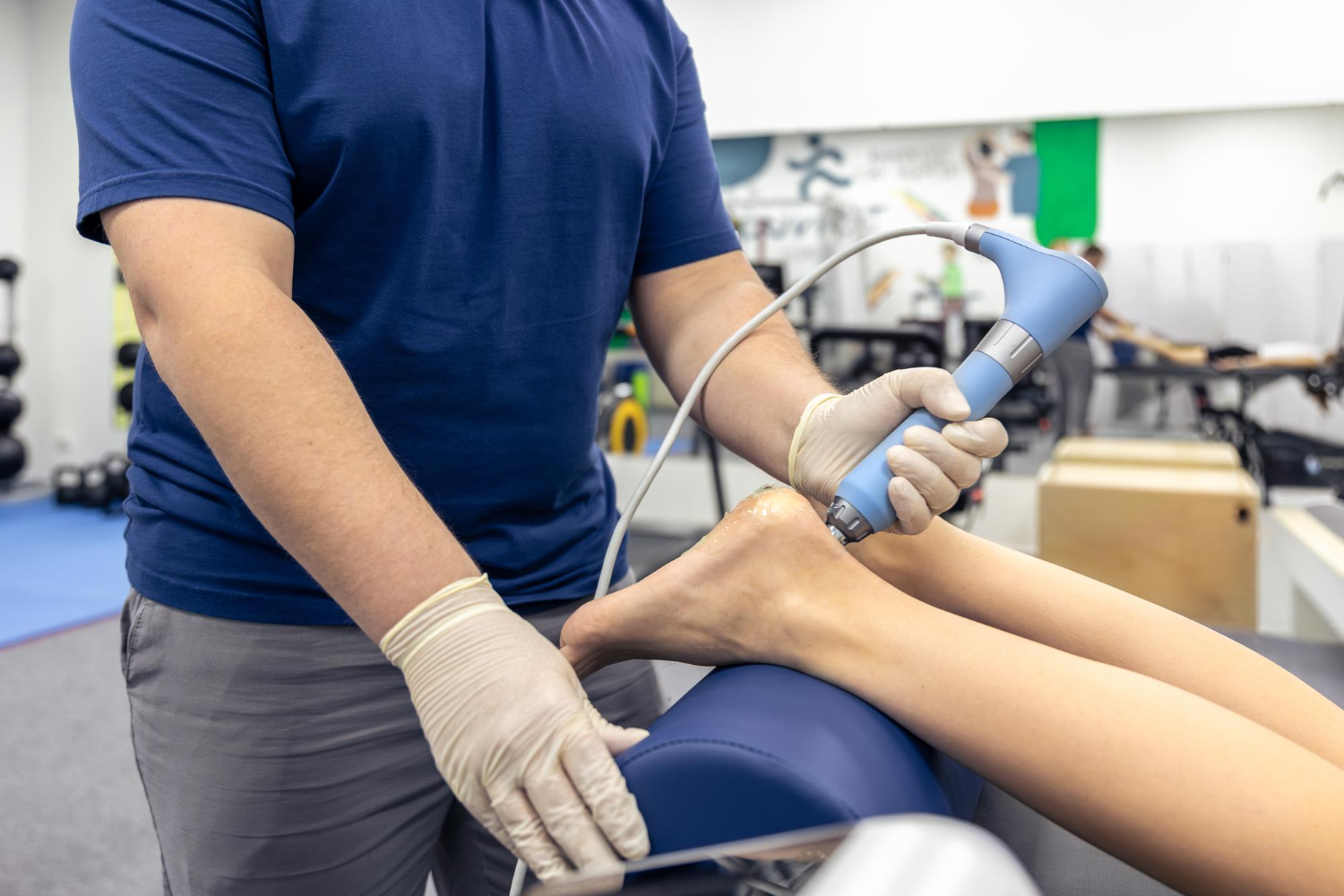
One of the most researched applications of shockwave therapy.
Common symptoms include:
Shockwave therapy may help stimulate tissue healing, reduce chronic irritation and improve function in persistent plantar fascia pain. Evidence supports its use particularly in chronic or treatment-resistant cases. (pubmed.ncbi.nlm.nih.gov)
Achilles Tendinopathy
Includes:
Common in:
Shockwave therapy is often combined with progressive loading and rehabilitation exercises.
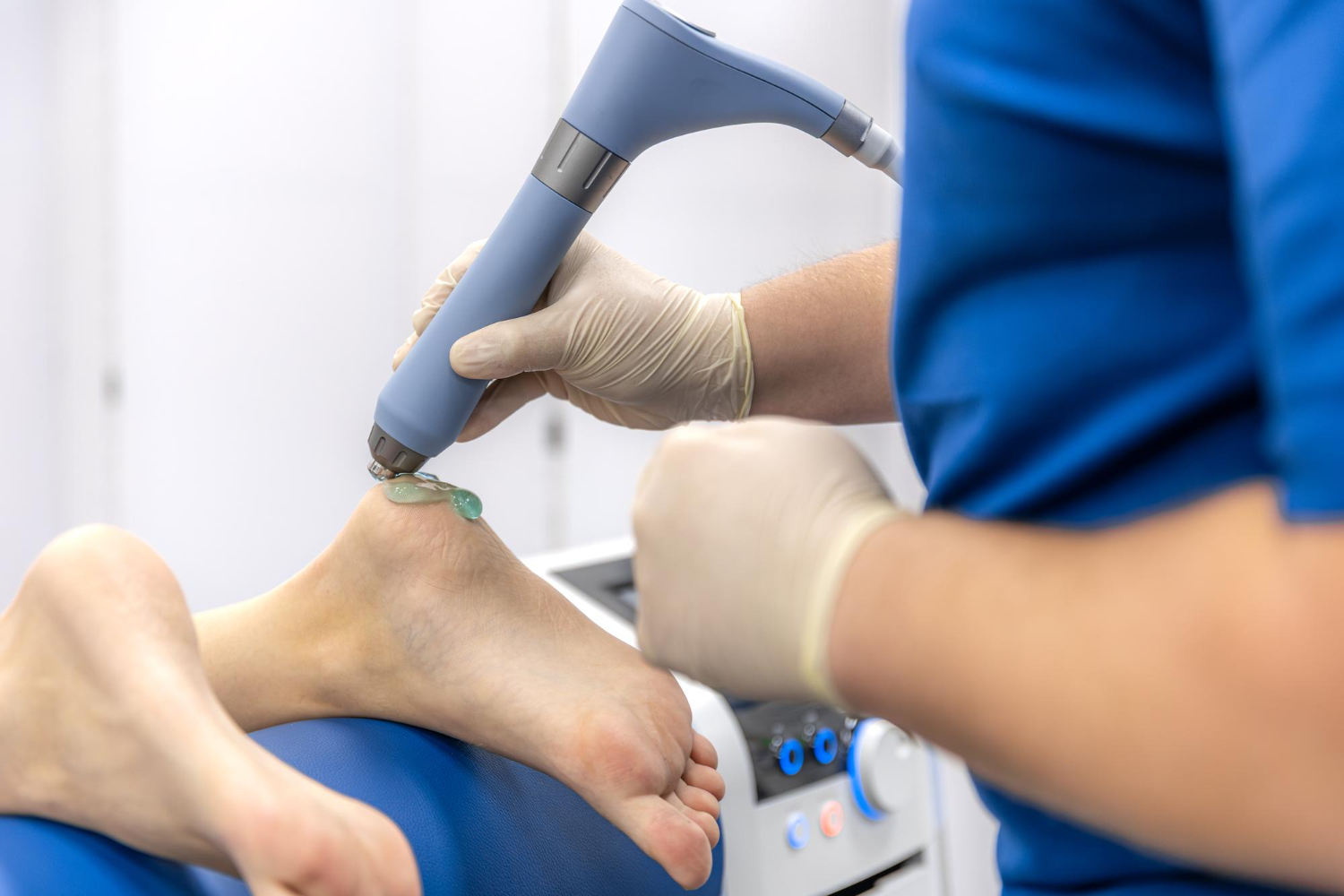
Chronic traction and overload at the plantar fascia insertion may contribute to painful heel spur presentations.
Shockwave therapy may help reduce pain and improve tolerance to weight-bearing activity.
Tibialis Posterior Tendinopathy
May present with:
Often seen in runners and individuals with altered foot mechanics.
Peroneal Tendinopathy
Lateral ankle and foot pain associated with overload, instability or repetitive sporting activity.
Chronic Ankle Stiffness & Scar Tissue Dysfunction
Shockwave therapy may be used alongside rehabilitation to improve tissue mobility and pain modulation in chronic post-injury cases.

Patellar Tendinopathy (“Jumper’s Knee”)
Common in:
Symptoms include:
Research supports the use of shockwave therapy in chronic patellar tendinopathy management. (pubmed.ncbi.nlm.nih.gov)
Quadriceps Tendinopathy
Pain above the kneecap typically associated with explosive sport, gym training or repetitive loading.
Pes Anserine Tendinopathy / Bursitis
Pain on the inner side of the knee commonly aggravated by running, stair climbing and repetitive activity.
Iliotibial Band Syndrome (ITB Syndrome)
Lateral knee pain often associated with running, cycling and load-management issues.
Patellofemoral Pain Syndrome
Shockwave therapy may be used adjunctively alongside rehabilitation and movement correction strategies in selected chronic presentations.
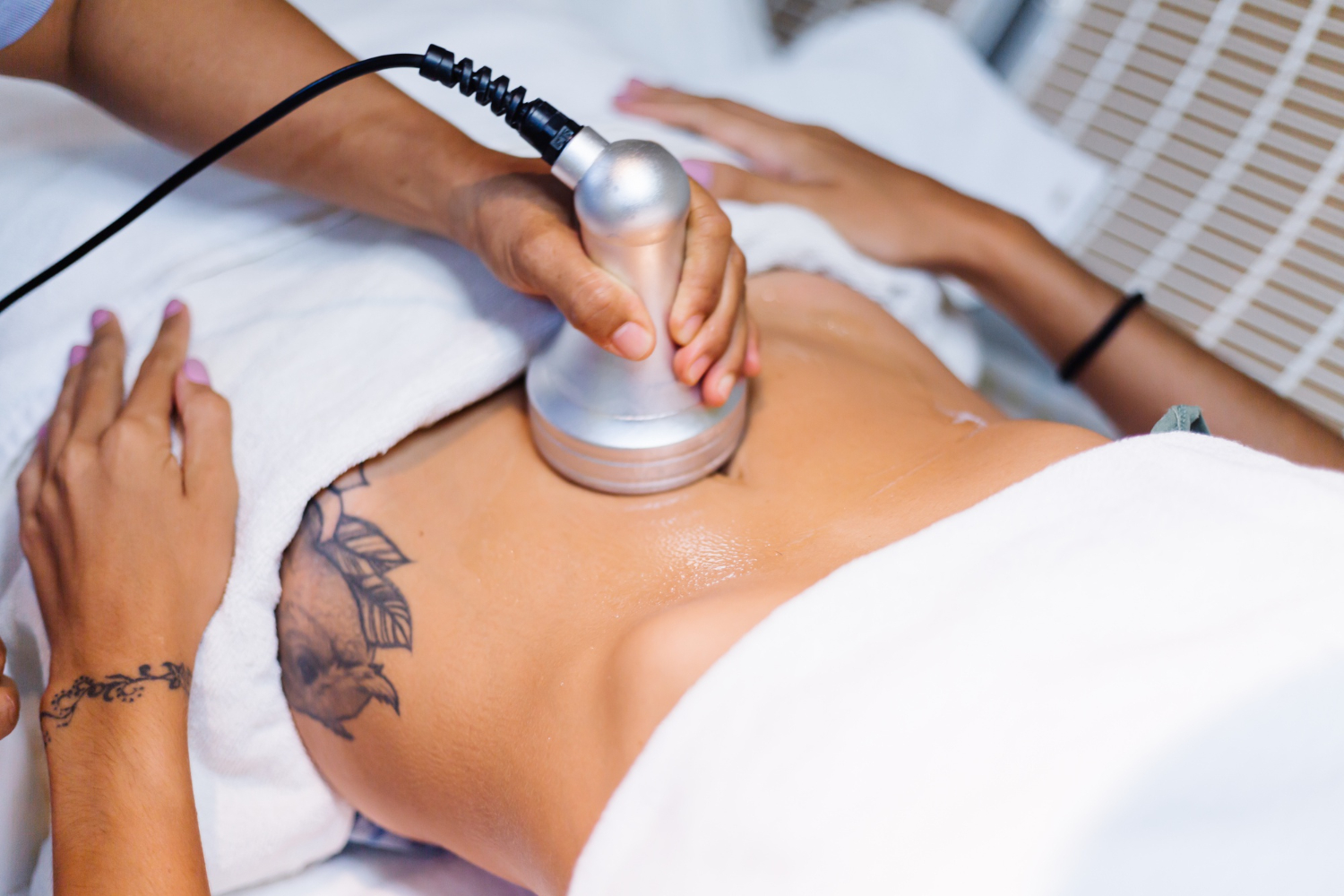
Gluteal Tendinopathy
A common cause of:
Frequently seen in:
Greater Trochanteric Pain Syndrome
Includes irritation of:
Proximal Hamstring Tendinopathy
Common in:
Symptoms may include:
Hip Flexor Tendinopathy
Includes overload-related dysfunction involving the iliopsoas or rectus femoris tendons.
Adductor Tendinopathy / Groin Pain
Frequently seen in:
Calcific Rotator Cuff Tendinopathy
One of the strongest evidence-based indications for shockwave therapy.
Shockwave therapy may assist with:
NICE guidance supports the use of extracorporeal shockwave therapy in calcific shoulder tendinopathy. (nice.org.uk)
Rotator Cuff Tendinopathy
Includes:
Subacromial Pain Syndrome
Pain associated with overhead activity, gym training or repetitive shoulder loading.
Frozen Shoulder (Adhesive Capsulitis)
Shockwave therapy may help reduce muscular guarding and pain in selected cases as part of a broader rehabilitation programme.
Biceps Tendinopathy
Anterior shoulder pain often aggravated by lifting, pulling and gym activity.
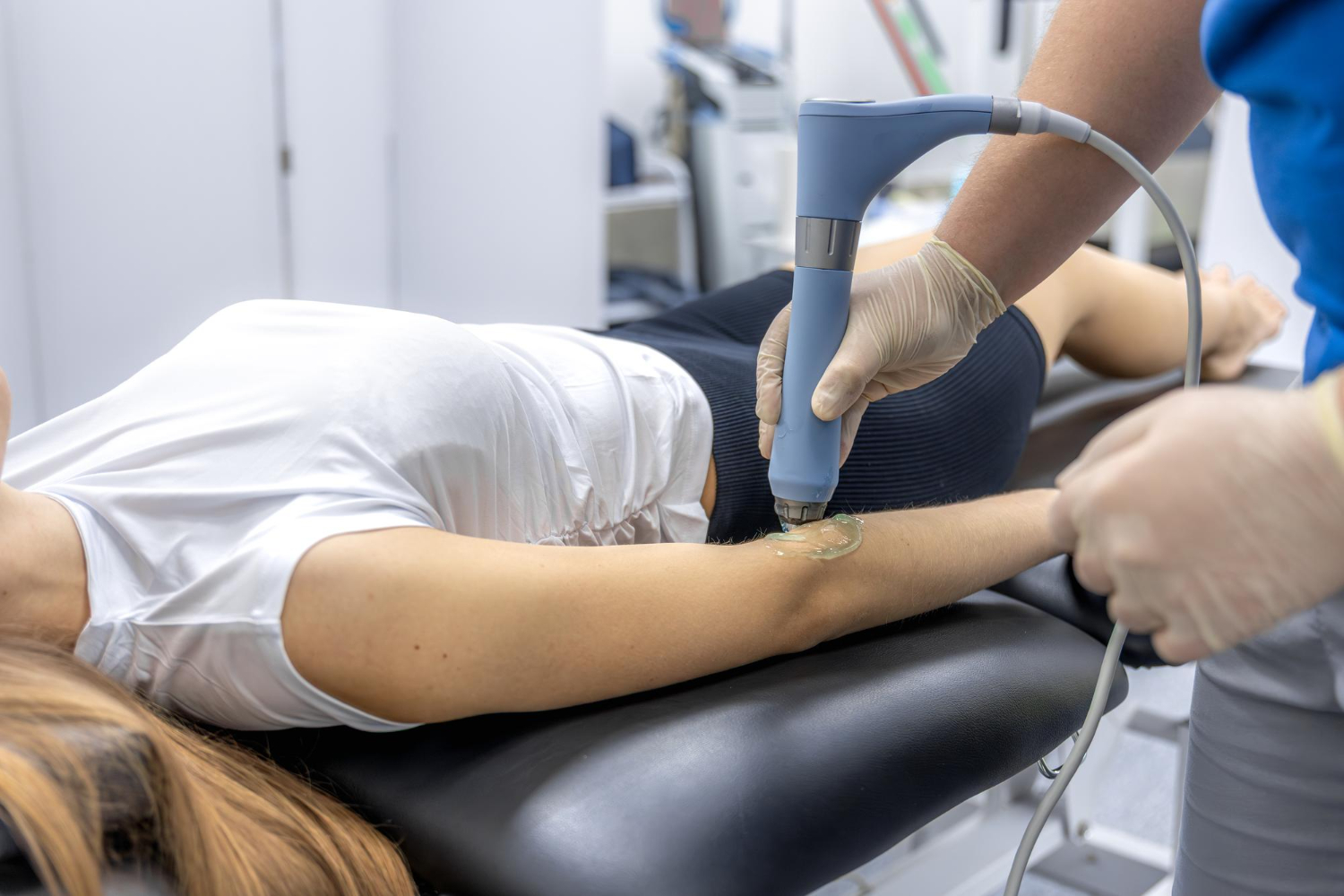
Tennis Elbow (Lateral Epicondylitis)
A highly common condition treated with shockwave therapy.
Symptoms include:
Often associated with:
Golfer’s Elbow (Medial Epicondylitis)
Pain on the inner side of the elbow associated with gripping and wrist flexion activities.
Forearm Muscle Overload Syndromes
Chronic muscular tightness and overload patterns involving repetitive strain.

Myofascial Trigger Points
Shockwave therapy may be used to address:
Commonly treated areas include:
Chronic Muscular Tension Syndromes
May benefit individuals with:
Cervicogenic & Thoracic Myofascial Pain
Shockwave therapy may be integrated with chiropractic care, rehabilitation and movement-based treatment approaches.

Shockwave therapy is commonly used in sports medicine settings for:
It is frequently incorporated alongside:
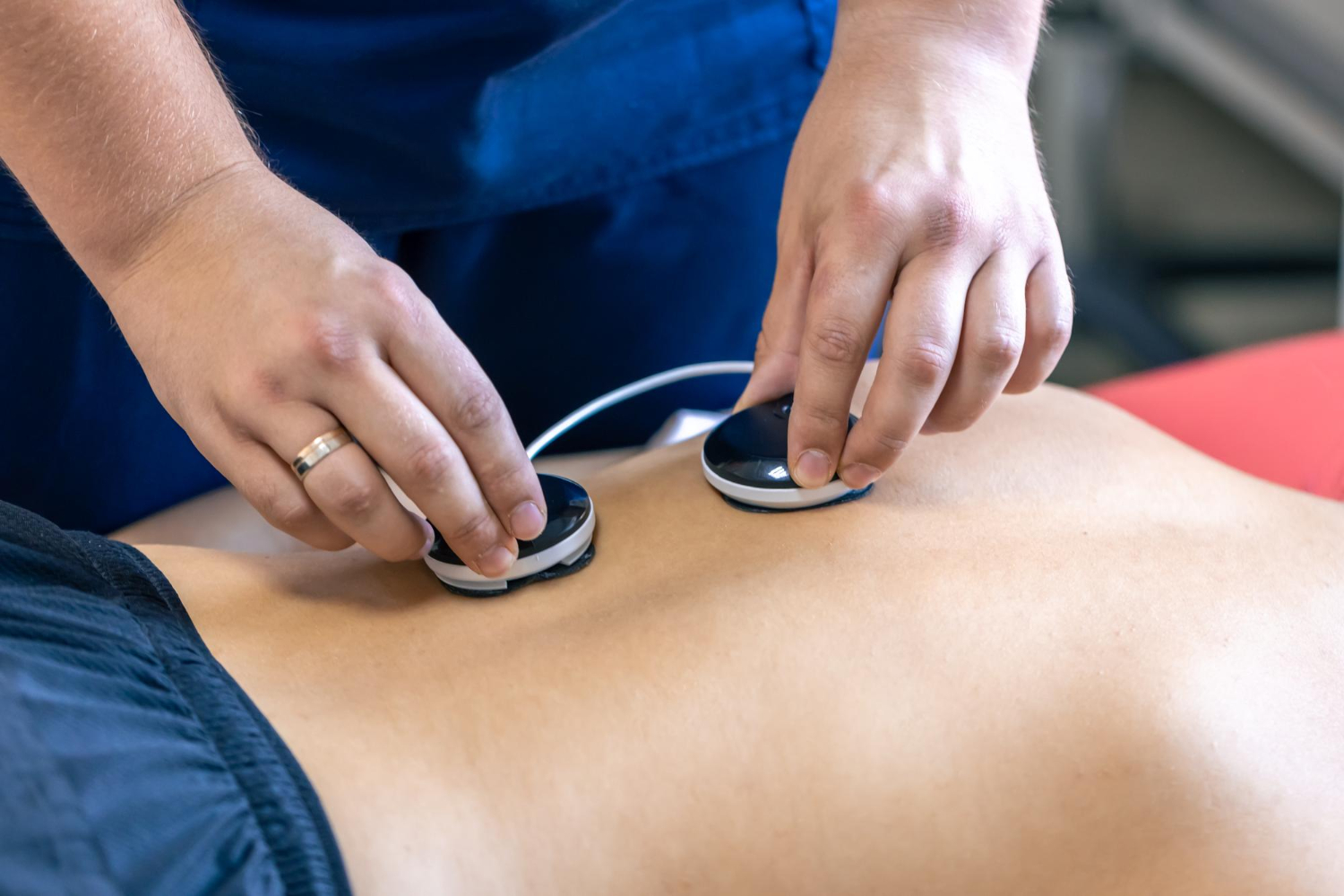
Shockwave therapy may be considered in selected chronic pain presentations where tissue healing and rehabilitation progression have plateaued.
This may include:

We welcome referrals from:
Our goal is to complement existing management plans through collaborative, ethical and patient-centred care.
We believe strongly in:
We do not aim to replace the primary treating practitioner, but rather to contribute positively to the overall management and recovery process.